Unser Unternehmen ABC Limo Service Horgen besteht seit über 35 Jahren. Am Bahnhof Horgen sind wir an den Standplätzen stationiert. Bei Taxi-Horgen wird der Kundenservice, wie auch die Zuverlässigkeit gross geschrieben.
Seit mehreren Jahren fahre ich mehrmals pro Woche mit Taxi Horgen. Immer zuverlässig, pünktlich und freundlich. Durchwegs saubere Fahrzeuge.
von Privatkunde aus Oberrieden
by Privatkunde aus Oberrieden
,,Auch als Rollstuhlfahrer erlebe ich super zuvorkommende Fahrer. Bringen mich täglich zuverlässig ans Ziel.
Mit besten Empfehlungen!„
von Stefan
by von Stefan
<
>
Performance Enhancement Drugs: Medical Overview, Risks, and Safe Alternatives
Disclaimer: This article is for educational purposes only and does not replace professional medical advice, diagnosis, or treatment. Always consult a qualified healthcare professional before making decisions related to medications or health.
Basics: what it is
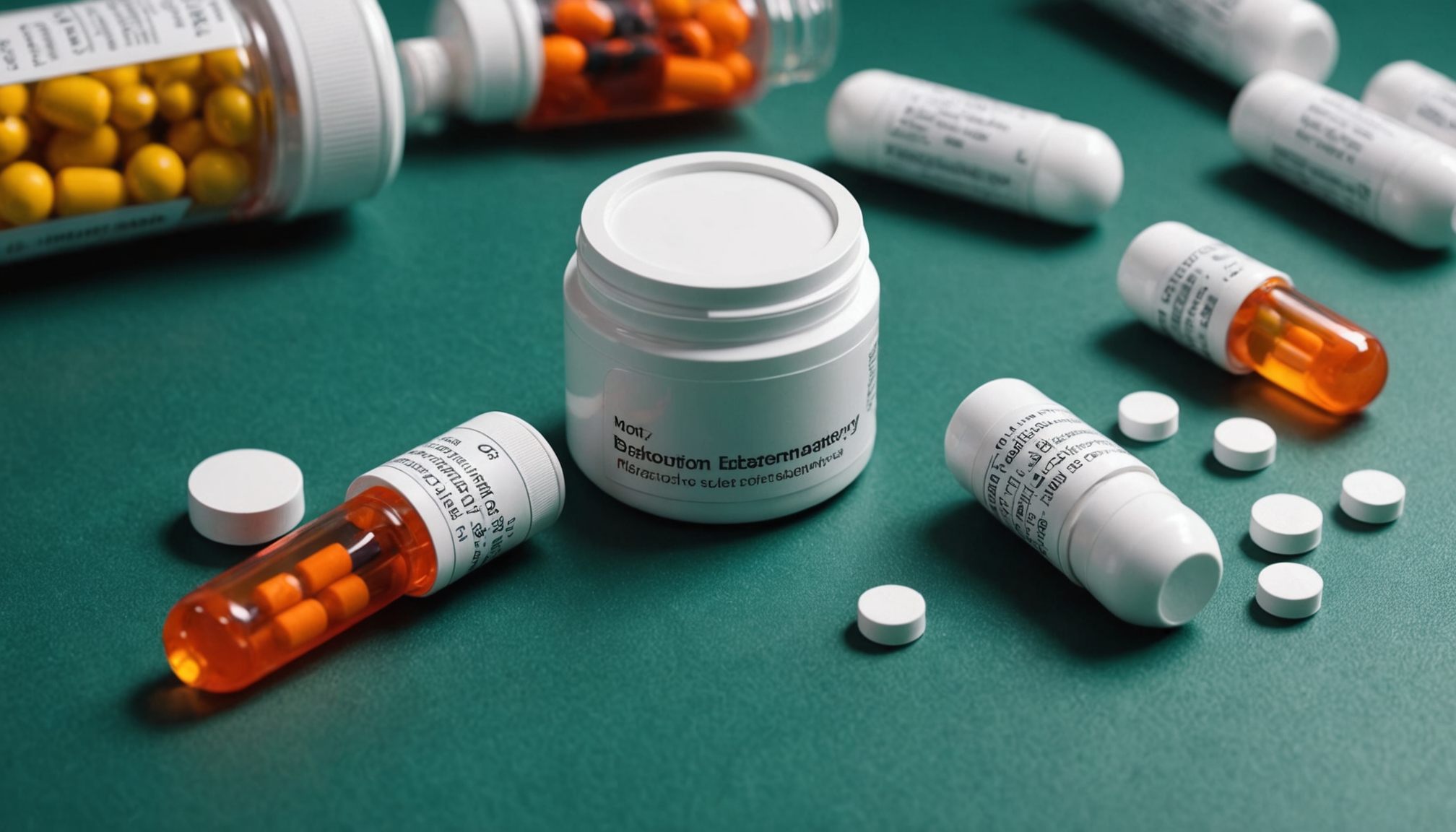
Performance enhancement drugs (PEDs) are substances used with the intention of improving physical performance, endurance, strength, appearance, or cognitive focus. They are most commonly discussed in the context of sports and fitness, but they also appear in academic, professional, and recreational settings.
From a medical perspective, many substances labeled as PEDs were originally developed to treat specific health conditions. Problems arise when they are used without medical supervision, outside approved indications, or at doses and patterns that increase health risks. Ethical concerns, legality, and long-term safety are central themes in medical and public health discussions.
The effects of performance enhancement drugs vary widely depending on the substance class, duration of use, and individual susceptibility. Common signs associated with misuse may include:
In competitive sports, specialized testing protocols may be used for regulatory purposes, which differ from routine medical evaluations. For ethical and policy discussions, see our sports medicine and ethics overview.
What usually helps
Medical management focuses on safety, recovery, and long-term health rather than performance outcomes. Common supportive approaches include:
Discontinuation of non-prescribed or harmful substances under medical guidance
Monitoring and normalization of affected organ systems
Nutrition counseling and evidence-based training programs
Mental health support for mood, stress, or dependency concerns
Education on legal and health-safe performance strategies
In many cases, gradual lifestyle adjustments and professional supervision provide sustainable benefits without the risks associated with drug misuse. Related preventive health topics are discussed in our preventive care resources.
FAQ
Are all performance enhancement drugs illegal?
No. Some substances are legal and medically prescribed, but misuse or non-medical use may be illegal or prohibited in sports.
Can supplements act like performance enhancement drugs?
Yes. Some supplements contain active compounds that affect hormones or the nervous system, sometimes without clear labeling.
Do performance enhancement drugs always cause side effects?
Not always immediately. Some risks develop slowly and may only appear after long-term use.
Are cognitive enhancers considered performance enhancement drugs?
In a broad sense, yes. Substances used to enhance focus or alertness can fall under this category.
Can stopping these drugs suddenly be harmful?
In some cases, abrupt discontinuation can cause withdrawal or hormonal disturbances, which is why medical guidance is important.
Is natural training always safer?
Evidence-based training, nutrition, and recovery strategies generally carry fewer risks when properly planned.
Who is most at risk of complications?
People with underlying heart, liver, hormonal, or mental health conditions are at higher risk.
Should doctors ask about performance enhancement drug use?
Yes. Open discussion helps ensure accurate diagnosis and safer care.
Hormonal feedback loops explained
The body regulates hormones through feedback systems. External hormones can suppress natural production, leading to long-term imbalance.
Why cardiovascular risk is central
Many PEDs affect blood pressure, cholesterol, or heart structure, increasing the risk of serious events.
Psychological dependence vs physical dependence
Some users develop reliance on perceived performance gains rather than true physical withdrawal.
Differences between therapeutic and non-therapeutic use
Medications prescribed for illness are monitored, while unsupervised use lacks safety oversight.
Impact on adolescents and young adults
Developing bodies are more vulnerable to hormonal disruption and long-term consequences.
Role of education and prevention
Clear information reduces misuse and supports healthier performance goals.
Sources
World Health Organization (WHO) – Substance use and health
Centers for Disease Control and Prevention (CDC) – Anabolic steroid misuse
National Institute on Drug Abuse (NIDA)
U.S. Food and Drug Administration (FDA) – Drug safety communications
World Anti-Doping Agency (WADA) – Health risks of doping

 Komfort
 Immer für Sie da